United States Department of Veterans Affairs

PREPARED STATEMENT OF
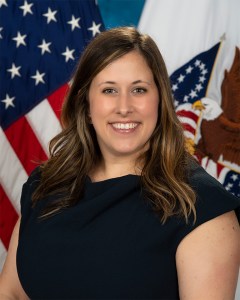
MEREDITH RICHMOND, M.D., CHIEF OF STAFF
SPOKANE VETERANS AFFAIRS MEDICAL CENTER
BEFORE THE SENATE VETERANS' AFFAIRS COMMITTEE
FIELD HEARING ON THE ILLNESSES OF PERSIAN
GULF WAR VETERANS

August 5, 1997

Good morning Senator Murray and guests. It is a pleasure to be here today at this important hearing and to have an opportunity to speak with you briefly about the Spokane VA Medical Center (VAMC) and the Persian Gulf veterans from the state of Washington.

I am Dr. Meredith Richmond, Chief of Staff at the Spokane Veterans Affairs Medical Center. I am a veteran, having served as an officer in the U.S. Army from 1979-1984. I received a Doctor of Medicine Degree from the University of Mississippi in 1979 and I am a board-certified Family Practitioner.

Seated with me today is Mr. Ron Porzio, Associate Director of the Spokane VAMC. In addition, we have brought some of our staff members to serve as caseworkers. All of the caseworkers here today are themselves veterans of the Persian Gulf War. If anyone in the audience has specific concerns they would like to discuss with a caseworker, I would encourage the veterans and their families to talk with one of my staff after the hearing.

The Spokane Veterans Affairs Medical Center is a 54-bed general medical and surgical facility with an attached rehabilitation-oriented Nursing Home Care Unit. The main building was constructed in 1949 and the Nursing Home Care Unit was added in 1985. Recent infrastructure improvements include a newly completed Intensive Care Unit and a Same-Day Surgery and Procedures Unit. Current construction projects include a 22, 000 square foot Ambulatory Care addition and a fully renovated operating room suite.

Programs offered at the Spokane VAMC include Primary Care, Same-Day Surgery and Procedures, Audiology, Optometry, Women Veterans' Care, Visually Impaired Services, Intensive Psychiatric Community Care, as well as the focus of today's hearing, a Persian Gulf Registry and Healthcare Program integrated into Primary Care.

In addition to programs located on site, the Spokane VAMC maintains a close, collaborative working relationship with the Spokane Vet Center located at West 1708 Mission Avenue in Spokane. The Vet Center provides individual and group counseling; sexual trauma, marital, family and substance abuse counseling; job referrals, and liaison with other U.S. Department of Veterans Affairs services. The Vet Center has contacted over 485 Persian Gulf veterans, and 71 have opted to receive clinical services, while 414 were either referred to the Persian Gulf Registry, received information on VA medical or benefit services, or job and other services.

The Spokane VAMC also has a Remote Rural Mobile Clinic, one of only five in the VA system. This specially equipped bus includes three exam rooms, and on-board computers and diagnostic equipment. The clinic delivers follow-up care to veterans in twelve rural sites throughout our 60,000 square mile service area.

The Spokane VAMC implemented the Persian Gulf Registry Exam process in 1992. Since the beginning, our health care providers have taken seriously the health complaints of our Gulf War veterans. We believe all of the veterans who come to the Spokane VAMC deserve the very best medical care available, and we strive to provide it in a caring and compassionate manner.

As of today, 196 veterans have had Persian Gulf Registry examinations. One hundred seventeen, or 60 percent, are Washington State residents. Ninety-one percent of the veterans who have registered are male and nine percent are female. The average age is 32.7 years. Sixty percent served in the U.S. Army; 18 percent in the Marines; 11 percent in the Air Force; and 11 percent in the Navy. The veterans have reported a wide range of symptoms including fatigue, skin rash, headache, muscle and joint pain, memory loss, sleep disturbances, and gastrointestinal problems.

Appointments for the registry exam are available within two weeks after receiving application and verification of service. The exam is performed by clinicians who understand and are sympathetic to the special needs of Persian Gulf veterans and their families. The exam takes about two hours and includes a very detailed history and thorough physical examination. All veterans also receive a chest x-ray and a series of lab tests including a complete blood count, urinalysis, and a set of blood chemistry and enzyme analyses that detect markers for certain diseases. Based upon the patient's specific symptoms, the examiner may also order additional tests and specialty exams by other specialists. Veterans in need of tertiary care services are normally referred to the larger VA hospitals in Seattle, WA or Portland, OR.

Each veteran is scheduled for a personal counseling session within 30 days of the exam. Here the examiner reviews and discusses all test results and explains the findings.

At the end of the exam process, most veterans are assigned a primary care provider for ongoing treatment of their illnesses. Our primary care teams operate like family doctors and are designed to insure the patient receives continuity of care. Treatments are based on the best contemporary medical knowledge and are tailored to the individual veteran's complaints and symptoms.

In the case of complex Persian Gulf health issues, some patients are sent to the VAMC in West Los Angeles, which serves as the VA's Western Persian Gulf Referral Center. The Spokane VAMC has referred four Persian Gulf veterans to this Referral Center. These centers provide assessment by specialists in such areas as pulmonary and infectious disease, immunology, neuropsychology, and additional expertise as indicated in such areas as toxicology or multiple chemical sensitivity.

Although we do not have a patient satisfaction survey process aimed specifically at Persian Gulf veterans, the Spokane VAMC is very proud of the high ratings we have received from all of our patients in the VA's national patient satisfaction surveys. Our patients constantly report satisfaction levels far above the VA national norms for all of the service indicators.

In October of 1996, the Spokane VAMC was the recipient of Vice President Gore's "Hammer Award" for re-engineering our medical care delivery process to better service the needs of the veterans of the Pacific Northwest. Senator Murray, you graciously presented that award to our staff on behalf of the Vice President. I can assure you that Persian Gulf War veterans receive the same high level of quality, caring and compassionate service that earned us national recognition in the awards program.

This concludes my prepared statement. I would be happy to answer any questions you may have.

This completes my statement; I will be happy to respond to any questions the Subcommittee may have.