The primary purpose of the Enterprise Architecture (EA) is to inform and guide the decisions of
the enterprise, especially as they pertain to Information Technology (IT) investments. The
Veterans Affairs (VA) Technical Reference Model (One-VA TRM) is one component
within the overall EA that establishes a common vocabulary and structure for describing the
information technology used to develop, operate, and maintain enterprise applications. Moreover, the
One-VA TRM, which includes the Standards Profile and Product List, collectively serve as a
technology roadmap and as a tool for supporting Office of Information & Technology (OIT).
Use this site to determine the technical alignment of projects/programs as part of the Program
Management Accountability System (PMAS) process.
Users can search for technologies, generate reports, review forecasts, and access
release history.
Your adherence to this One-VA TRM is essential to improving the technical environment within
VA. Architecture, Strategy & Design (ASD), and specifically Enterprise
Architecture, has overall responsibility for the One-VA TRM and they will need your support and
cooperation to make this a success.
The
TRM presents a list of assessed technologies and standards used to develop, operate, and
maintain enterprise applications. Entries on the list have undergone a high level risk assessment. The list provides
guidance, and any applicable constraints, on the permissible range of technologies or standards that a prototype, pilot
or development project may select or shall use. The list is not intended to direct procurements, although reference
is made, where known, to existing
VA licensing. Requests for assessment are submitted through the
TRM tool and assessed by members of the
TRM Management Group. The assessment
outcomes are explained below.
- Technologies or technical standards that have a Decision of 'Approved' or 'Approved w/Constraints' may be
utilized in the VA. Technologies and technical standards that are 'Approved w/Constraints'
shall only be used within the specified constraints.
- Technologies or technical standards that have a Decision of 'Unapproved' should not be utilized in the
VA.
- Technologies or technical standards that have a Decision of 'Prohibited' are not compliant with Federal and/or
VA policy and shall not be utilized in the VA.
- Technologies or technical standards that are NOT listed on the Technology/Standard List are considered
unapproved for use.
- Technologies and technical standards that do not appear on the TRM have not been assessed;
an assessment or a waiver must be requested in order to obtain approval to use the technology.
If there is a need for a technical standard to be adopted into the One-VA TRM, a
Request Assessment needs to be submitted.
*It is important to note that approval statuses do not indicate OIT project specific suitability
or compatibility to a particular set of technologies or thier impacts on IT management processes.
TRM approval is not an approval to implement. Each project team must consult the organizations
responsible for the target development, desktop, testing, and/or production environments to ensure that the intended use
of the technology or technologies is approved.
Entries may contain technology constraints as well as business/process constraints, if any are known at the time the entry
was published. While it is not the intent of the TRM to convey business/process constraints, when known,
they are included in the entry for the benefit of the end users.
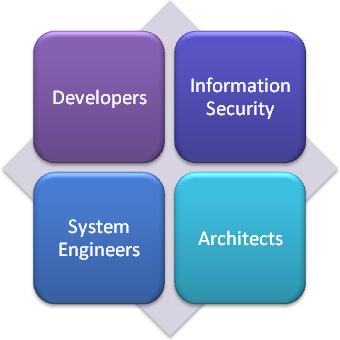
Figure 1:One-VA TRM Roles
Developers
Developers must ensure that Information Technology
(IT) solutions align with approved technologies
and standards defined in the One-
VA TRM, including design and implementation guidance of technologies.
This policy affects
ALL IT Solutions produced under Product Development management.
IT Solutions produced under Product Development management that are not explicitly part of the Health,
Benefits or other segments that may be published in the future are governed by the One-
VA TRM for the
published segments.
Information Security
VA Information Security
(IS) works to ensure the confidentiality, integrity, and availability of
systems and data across the
VA Enterprise. To achieve its mission,
IS works with
developers and support teams through each phase of the system development lifecycle to improve the overall security
posture of the
VA and to ensure compliance with Federal and
VA Information Security
policies.
System Engineers provide direction, changes, and review of infrastructure and platform technologies
and solution designs of those technologies in
VA. This is accomplished through the System Engineering
Design Review
(SEDR) process and the established process to maintain the One-
VA TRM.
System Engineers
Service Delivery and Engineering must ensure that
VA infrastructure initiatives only use technologies
aligned with the One-
VA TRM, including the
VA Standards documents. Additions or
changes to these standards must be submitted to go through the process defined by Service Delivery and Engineering,
which is the Technical Analysis Review
(TAR) process. The
TAR process is also used
to check alignment of solutions with the
VA Standards. Any
IT solution with exceptions
to these standards must have a sufficiently justified exception, subject to final review and approval through the
TAR process.
Service Delivery and Engineering provides direction, changes, and review of infrastructure and
platform technologies and solution designs of those technologies in
VA. This is accomplished through
the
TAR process and the established process to maintain the One-
VA TRM.
Architects
With the information in the One-
VA TRM, Architects can provide guidance to information technology
projects and stakeholders as to technologies and products that are allowed for use in the enterprise
and can verify the architectural alignment of the product selections made by projects. By using the
One-
VA TRM, Architects can demonstrate Federal Enterprise Architecture
(FEA)
alignment and ensure projects are both using approved technologies and that designs for future implementations are
consistent with
VA technology directions.
Architects provide direction, changes, and review of technologies and their approved uses of those
technologies in
VA. This is accomplished through the established process to maintain the
One-
VA TRM. Architects also provide these contributions through the Architecture Engineering Review
Board
(AERB).
NOTE: It is important that the information from this site alone should not be used to determine
the suitability or compatibility of any One-
VA TRM technology or standard. The consumer of this
information has the responsibility to consult the organizations responsible for the desktop, testing,
and-or production environments to ensure that the intended use of the technology or standard is supported.
Release v13.3
This release contains 75 new/updated entries. A link to those entries can be found here:
New/Updated Entries
The following functionality was implemented in this release:
- Expanded search capabilities for locating entries.
- Additions to the Content Request Form
- Content changes for Frequently Asked Question #2 and the Proper Use tab
History
Release v13.2
This release contains 46 new/updated entries. A link to those entries can be found here:
New/Updated Entries
The following functionality was implemented in this release:
- Added VA categorization mapping to entries as well as the capability for TRM users to search by the VA categories.
- Expanded the TRM Content Request Form to include information about security vulnerability checks.
Release v13.1
This release contains 77 new/updated entries. A link to those entries can be found here:
New/Updated Entries
The following functionality was implemented in this release:
- A new report function that allows the user to select a decision and produces a list of all those entries with that decision.
Release v12.12
This release contains 12 new/updated entries. A link to those entries can be found here:
New/Updated Entries
Release v12.11
This release contains 39 new/updated entries. A link to those entries can be found here:
New/Updated Entries
Release v12.10
This release contains 14 new/updated entries. A link to those entries can be found here:
New/Updated Entries
Release v12.8
This release contains 16 new/updated entries. A link to those entries can be found here:
New/Updated Entries
Release v12.7
This release contains 4 new/updated entries. A link to those entries can be found here:
New/Updated Entries
Release v12.6
This release contains 46 new/updated entries. A link to those entries can be found here:
New/Updated Entries
Release v12.5
This release contains 82 new/updated entries. A link to those entries can be found here:
New/Updated Entries
Release v12.4
This release contains 55 new/updated entries. A link to those entries can be found here:
New/Updated Entries
Release v12.3
This release contains 18 new/updated entries. A link to those entries can be found here:
New/Updated Entries
Release v12.2
This release contains 46 new/updated entries. A link to those entries can be found here:
New/Updated Entries
Release v12.1
This release contains 70 new/updated entries. A link to those entries can be found here:
New/Updated Entries
The following functionality was implemented in this release:
- The Roles on the Home Page have been updated.
Release v11.10
This release contains 12 new/updated entries. A link to those entries can be found here:
New/Updated Entries
Release v11.9
This release reflects additions of data captured from SCCM per
VAIQ #7110943.. As a result, 260 new entries were created.
Release v11.8
This release contains 50 new/updated entries. A link to those entries can be found here:
New/Updated Entries
The following functionality was implemented in this release:
- Frequently Asked Quesions (FAQ) - expanded list
- The TRM Request form has been modified to require a response to each part of multi-part questions.
Release v11.5
The following functionality was implemented in this release:
- Content Request form enhancement
- Comprehensive inquiry reporting
Release v11.3
This release contains 37 new/updated entries. A link to those entries can be found here:
New/Updated Entries
Release v10.7
This release contains 1 new/updated entries. A link to those entries can be found here:
New/Updated Entries
Process Overview
The following describes a new process for the management, control, and systematic maintenance of
the One-VA TRM content resulting from content change requests submitted to the
One-VA TRM web site. This process covers both new content requests and changes to existing
content. The goal of this process is to ensure that the One-VA TRM content remains up-to-date,
relevant, unambiguous, and that changes and reasons behind decisions are thoroughly documented. This process was
used on TRM entries designated with TRM 10.6 as the Decision Process
(found on the general tab of the entry) and will be used going forward for new and revised TRM
content.
This process starts with a request to change the TRM data content (technology or standard) that is
made on the One-VA TRM
intranet site
and ends with a documented denied request, a deferred request, or published new/revised content.
This process includes:
- initial acknowledgement to the requester that a request has been received
- validation of the request
- referral to a lead
- assignment to a subject matter expert (SME)
- prioritization of the request
- collaborative authoring of the TRM Entry
- tracking the status of the request
- review and ratification of the TRM Entry
- assessment and weigh-in of the TRM Entry by all VA stakeholder groups
- a check for consensus of all groups
- a published TRM Entry
- the published resolution status in the TRM Request List
Click for larger view.
Figure 2: One-VA TRM Data Content Change Process
Submit Request
How to Submit a Request?
Requests are submitted through the online Technology/Standard Request Form by clicking on
Add/Change a TRM Entry?
The online request form automatically records the request in the
TRM Request list and a confirmation
email with a reference number is emailed to the requester as well as the One-
VA TRM.
What is a Request?
A Request is the starting point of the One-
VA TRM assessment process. A request may be for inclusion
of a new technology or standard into the One-
VA Technical Reference Model (One-
VA TRM).
It may also be to update or re-evaluate an existing technology or standard currently included in the One-
VA TRM.
Each request should contain specific information that enables the One-
VA TRM Team to perform the proper
analysis or update to the specified technology or standard.
Requests to update a technology or standard may include:
- reassessing the entry
- updating information in the TRM for that entry
- the inclusion of additional information for an entry
The following situations are handled through different processes:
- Requests related to implementation of an entry should be made to your Information Security
Officer (ISO) or to the Technical
Support Help Desk
- Requests related to searching, sorting or website help documentation are considered requests
for website functionality and should be submitted through the
Have
an Idea to Improve TRM ?
- Questions concerning what is in the TRM or how different entries may be related to one another
should be submitted using the
Have a Question?
link
Who Can Submit a Request?
While a request can come from anywhere, the primary sources are:
- Project Teams - Project teams are the primary source of TRM Requests.
They will request new technologies and standards be added to the One-VA TRM or existing technologies
and standards be augmented or replaced based upon their specific project need.
- TRM Management Group - The TRM Management Group will
add TRM Requests based upon current architectural direction. The TRM Management
Group consists of technology and standards SMEs from Product Development (PD),
Service Delivery and Engineering, Information Security, Veterans Health Administration (VHA), Veterans
Benefits Administration (VBA), National Cemetery Administration (NCA), and
Enterprise Architecture (EA).
Request Contents
There are two types of Content Change Requests:
- Add a new entry - This is a request to add a technology or standard to the One-VA TRM.
- Update an existing TRM entry - This is a request to update an existing technology or
standard currently in the One-VA TRM. The update could include a request to augment, re-evaluate,
replace or retire a technology or standard in the One-VA TRM.
Request Fields:
| Name |
The name of the technology or standard being requested. |
Required |
Required |
| Description |
A description of the technology or standard being
requested. |
Required |
N/A |
| Business Need |
A description of what business need(s) this request would address. Including but
not limited to:
- The business functionalities that have or have not been met by existing enterprise-supported
solutions for this product
- The enterprise-supported solutions that were reviewed
- The business justification for requiring an assessment
|
Required |
N/A |
| Major Initiative |
The Major Initiative (MI), if any, that is supported by the
requested technology/standard. |
Required |
N/A |
| Planned Usage |
The requestor's plans on how the technology/standard will be used. Including but
not limited to:
- The logical and physical space that the subject of the request is to be located
- All external sources to which data will be replicated
|
Required |
N/A |
| Project Requirements |
The requirements (project or architectural) that contribute to the justification
of the inclusion of the specified technology/standard in the TRM.
|
Required |
N/A |
| Waiver |
The details of the process and the POC for any waivers that have been requested
for the technology/standard.
|
Required |
N/A |
| Required Assessment Date |
The date that the assessment result is required.
|
Required |
N/A |
| Other Technologies Considered |
A list of the technologies or standards that were considered in addition
to the requested technology/standard. Including but not limited to:
- The reason for why the technology/standard was chosen
- The existing TRM technologies/standards that were considered and an explanation
of how they did not meet the project needs.
- Was this the best technology/standard for the project's needs.
|
Required |
N/A |
| Vendor Name |
The name of the vendor or open source organization that
provides the technology or the name of the standards body that manages the standard. |
Required |
N/A |
| Version |
The version number of the technology or standard. |
Optional |
N/A |
| Licensing Needs |
The number of licenses needed for all environments. |
Optional |
N/A |
| Deployment Locations |
The locations of where the technology is to be deployed. |
Optional |
N/A |
| Submitter Name |
The name of the person that is making the request. |
Required |
Required |
| Submitter Phone |
The phone number of the person that is making the
request. |
Required |
Required |
| Submitter Email Address (VA) |
The email address of the person that is making the request. |
Required |
Required |
| Submitter Project Team Name |
The name of the team or project that is making the request. |
Optional |
N/A |
| Submitter Organization |
The name of the organization that is making the
request. |
Optional |
N/A |
| Describe Update Request |
A description of the update being requested. |
N/A |
Required |
(return to diagram)
Evaluate Request
Technical Reference Model/Technical Assessments (TRM/TA) reviews and evaluates the submitted Request.
This stage of the process is where TRM/TA does an initial triage of the request and makes the decision
whether to accept or reject the request. Reasons for rejection are:
- Duplicate Entry - The technology or standard being requested for inclusion
in the TRM is a duplicate of an existing TRM Entry or a similar update has
already been requested.
- Malformed Request - The request does not have all the required fields. The
requester will need to fill in the required fields and re-submit the request.
- Historical Decision - There has been a decision previously made, outside the
TRM process, which has rejected the use of the requested technology or standard.
(return to diagram)
Refer Request to Lead
If the request is valid, the TRM Management Group reviews the Request, determines which area owns the
Request and assigns the Request to the appropriate Lead for assessment processing. The designated lead
will be from one of the following TRM Management Group member organizations: Product Development,
Information Security, Service Delivery and Engineering, VHA, VBA, NCA,
and/or EA.
(return to diagram)
Prioritize Request
The designated Lead's organization reviews their work queue and prioritizes the Request along with other
requests and determines which requests will be evaluated. If the Request has been designated to be
evaluated, it is assigned to a SME. When it is assigned to a SME, the
SME will inform the submitter that it has been assigned.
(return to diagram)
Author/Collaborate TRM Entry
The SME will use the Request to author a TRM Entry as a new technology or
standard, or a revised existing technology or standard. The SME will collaborate with other areas
such as the Product Development, Information Security, Service Delivery and Engineering, VHA,
VBA, NCA and/or EA to review and recommend the content for
the TRM entry.
[Alternate Path] SME will reject if the Request is determined to not require a change to the
TRM content. SME will record the response (including a justification) and send a
response to the submitter. For future consideration, the justification will be recorded in the published database.
The SME will set the status to "Rejected" and the process ends.]
(return to diagram)
Review/Ratify TRM Entry
Each organization (Product Development, Information Security, Service Delivery and Engineering, VHA,
VBA, NCA, EA, and TRM/TA performs a review
of the TRM Entry using its existing ratification process. For example, Product Development ratifies
entries through an Architect Review Board (ARB), Service Delivery and Engineering ratifies through
the Systems Engineering and Design Review (SEDR) process, and Information Security uses a Review
and Concurrence process.
(return to diagram)
Assess TRM Entry
Once the ratification process is complete, the TRM Entry is entered or updated in the
TRM Collaboration site and documents supporting the TRM Entry are gathered and
attached to the entry. The TRM Entry is then placed into a workflow queue for approval. Each
organization Lead member of the TRM Management Group (Product Development, Information Security,
Service Delivery and Engineering, VHA, VBA, NCA,
EA and TRM/TA) can enter comments concerning the TRM Entry in
the Collaboration site and then votes to either concur or not concur to have the TRM Entry published.
(return to diagram)
Review For Consensus
TRM/TA reviews the recommended Request to ensure all groups have weighed in and there are no
outstanding issues.
(return to diagram)
Publish TRM Entry
Requests that are unanimously approved are published to the One-
VA TRM Published Site.
(return to diagram)
Process Role Definitions
TRM User: Any person who goes to the One-
VA TRM website.
TRM/TA Support Team: Members of
TRM/TA who support the
TRM. Duties of this role:
- Provide appropriate level of resources to process the workload in a timely manner
- Submit technology standards requests
- Review technology standards and provide comments/feedback
- Chair and administratively run the TRM Management Group
- Facilitate TRM Management Group meetings and sub-working groups
- Provide resources to support the TRM Collaborative site as well as develop and maintain
interface to TRM Published site
- Review new TRM requests and inquiries and refer to leads
- Assess initial requirements of functionality changes to both the Collaboration and
Production websites
- Transfer approved changes to the TRM Published site
- Identify technology standards issues and conflicting standards submitted by TRM Management
Group
- Escalate unresolved issues to the Monthly Performance Review (MPR) or the Enterprise
Architecture Council (EAC) as appropriate
Lead: VA employee from Product Development
(PD), Information Security, Service Delivery and
Engineering, Veterans Health Administration
(VHA) (Standards & Interoperability),
Veterans Benefits Administration
(VBA), National Cemetery Administration
(NCA),
TRM/TA, or Enterprise Architecture
(EA). Duties of this role:
- Provide appropriate level of resources to process the workload in a timely manner
- Submit technology standards requests
- Review responses to referred TRM inquiries
- Approve technology standards for inclusion in the One-VA TRM
- Review technology standards and provide comments/feedback
- Attend and actively participate in TRM Management Group meetings and sub-working groups
- At least annual review of technology standards to ensure they are relevant
SME: VA employee or contractor from Product Development
(PD),
Information Security, Service Delivery and Engineering,
VHA (Standards & Interoperability),
VBA,
NCA,
TRM/TA, or
EA who provides expertise in a particular
technology area. Duties of this role:
- Process workload in a timely manner
- Submit technology standards requests
- Respond to referred TRM inquiries
- Author technology standards
- Review and analyze technology standards and provide comments/feedback
- Attend and actively participate in TRM Management Group meetings and sub-working groups, as
requested by their Lead
- At least annual review of technology standards to ensure they are relevant
TRM Management Group: Manages the
TRM . Membership is made up of the Leads and Subject
Matter Experts. Duties of this role:
- Review, prioritize, and recommend One-VA TRM technology standards
- Track timely responses to TRM inquiries and requests
- Review, prioritize, and recommend changes to the TRM Published site and
TRM Collaborative site
- Resolve technology standards issues and conflicting standards submitted to the group
- Ensure published One-VA TRM content is current and accurate
PD TRM Administrator: Supports the TRM Published websites. Duties of this role:
- Maintain configuration management of the Active Server Pages (ASP) code and the database
- Manage functional changes to the TRM published websites, databases
- Manage the production and supporting environments
PD TRM Development Team: Supports the development of the
TRM Published websites.
Duties of this role:
- Develop, maintain and test the TRM Published websites and database
- Develop and maintain TRM interfaces for information exchange