


Birmingham VA Health Care System Brings Regional Partners Together to Build Lasting Solutions for Veterans in Mental Health Crisis
By Birmingham VA Health Care System, Public Affairs Office
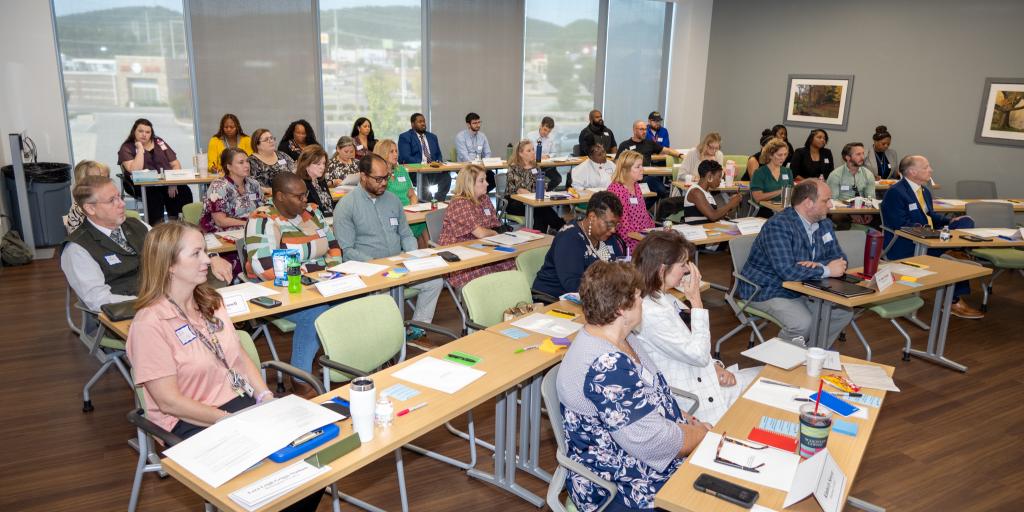
The Birmingham VA Health Care System held a one-day Veterans Mental Health Summit at its Irondale Clinic recently, gathering key partners from throughout Central and Northern Alabama in order to establish stronger and more coordinated routes to acute psychiatric care for Veterans who are in crisis.
The working summit brought together representatives from the Alabama Department of Mental Health, the Alabama Department of Veterans Affairs, the probate court judges from Jefferson, Etowah, and Shelby counties, local law enforcement, the regional VA healthcare systems, and the community hospitals — all of them being committed to a common objective, namely, ensuring that Veterans who are in crisis are linked to the appropriate care at the right time in the quickest, safest, and most dignified manner possible.
Dr. Ladi Kukoyi, who is the CEO and Executive Director of the Birmingham VA Health Care System, stated in his opening remarks that "There are genuine difficulties relating to access to acute psychiatric care all over Alabama,” he stressed. “For both the Veteran and their family during a crisis, the differences between agencies and jurisdictions are of no importance; what is important is that our systems cooperate, and that is precisely the reason why this group has come together today."
Dr. Jay Cohen, who is the Chief of Mental Health at the Birmingham VA Health Care System, highlighted the strength that can be found in the room. "Each day I witness what it is like when the various systems surrounding a Veteran function well together and also what happens when they do not," he stated. "That is why we have deliberately brought that expertise into one room in order to create something that will last."
A Working Summit Built for Action
Instead of taking the form of a conventional conference, the summit was organized as a practical, hands-on session with an emphasis on achieving concrete, short-term results. In the morning, each of the organizations present—namely the mental health leadership from the Birmingham, Tuscaloosa, and Central Alabama VA Health Care Systems, the Alabama Department of Mental Health, the Alabama Department of Veterans Affairs, the judiciary, law enforcement, and the community hospitals—offered frank and quick insights into the particular difficulties they face when coordinating crisis care for Veterans.
In the afternoon the attendees split into multidisciplinary breakout groups in order to draw up a map of the existing behavioral health response system and to design an improved way forward. The day ended with action planning, during which the participants determined the priority initiatives, allocated responsibility and set timetables to keep momentum going.
“It’s easy for organizations to operate in silos, but caring for Veterans in crisis requires coordination across multiple agencies, disciplines, and communities,” said Dr. Andrew Oakland, Associate Chief of Staff for Mental Health at the Tuscaloosa VA Medical Center. “Building relationships before a crisis occurs allows us to better understand one another’s capabilities, resources, and challenges. This summit gave us the opportunity to break down barriers, strengthen those partnerships, and develop solutions together so that when a Veteran needs help, we are better prepared to respond.
A Shared Commitment to Veteran Suicide Prevention
The officials of the Birmingham VA Health Care System have stressed that suicide prevention is still the medical center's top clinical priority and that the partnerships established today extend that priority to all the communities in which Veterans live, work, and receive care.
As Dr. Kukoyi pointed out, care for Veterans who are in crisis cannot start and not be able to end at the doors of a VA facility; instead, it demands strong relationships within the communities in which Veterans live, work, and receive care——and that is precisely the type of partnership that we have established today.
“This summit demonstrated what we can accomplish when VA, state agencies, the judiciary, law enforcement, and community hospitals come together to address the real challenges facing Veterans in crisis,” said Kimberly Boswell, Commissioner of the Alabama Department of Mental Health. “Through stronger partnerships, improved crisis care coordination, cross-agency site visits, and the development of shared standards, we are turning conversations into meaningful action that will improve access to mental health care for Veterans across Alabama.”
Building Momentum Together
The organizers were very clear that one day won't deal with all the systemic issues—but they were left motivated by the common commitment shown during the meeting and by the specific action plans that had been developed together. The agencies taking part intend to meet again in order to monitor progress and keep one another accountable for the initiatives identified at the summit, turning today's cooperation into real and measurable benefits for Veterans in the area.
Dr. Kukoyi emphasized the need for an open discussion regarding what is working, what is not working, and the areas in which there are genuine opportunities to improve coordination among everyone attending.
"It's encouraging that all of us are here today," said Dr. Kukoyi. "We won't be able to solve every problem in one day, but we can establish the partnerships that will."