VA Fargo Optometry
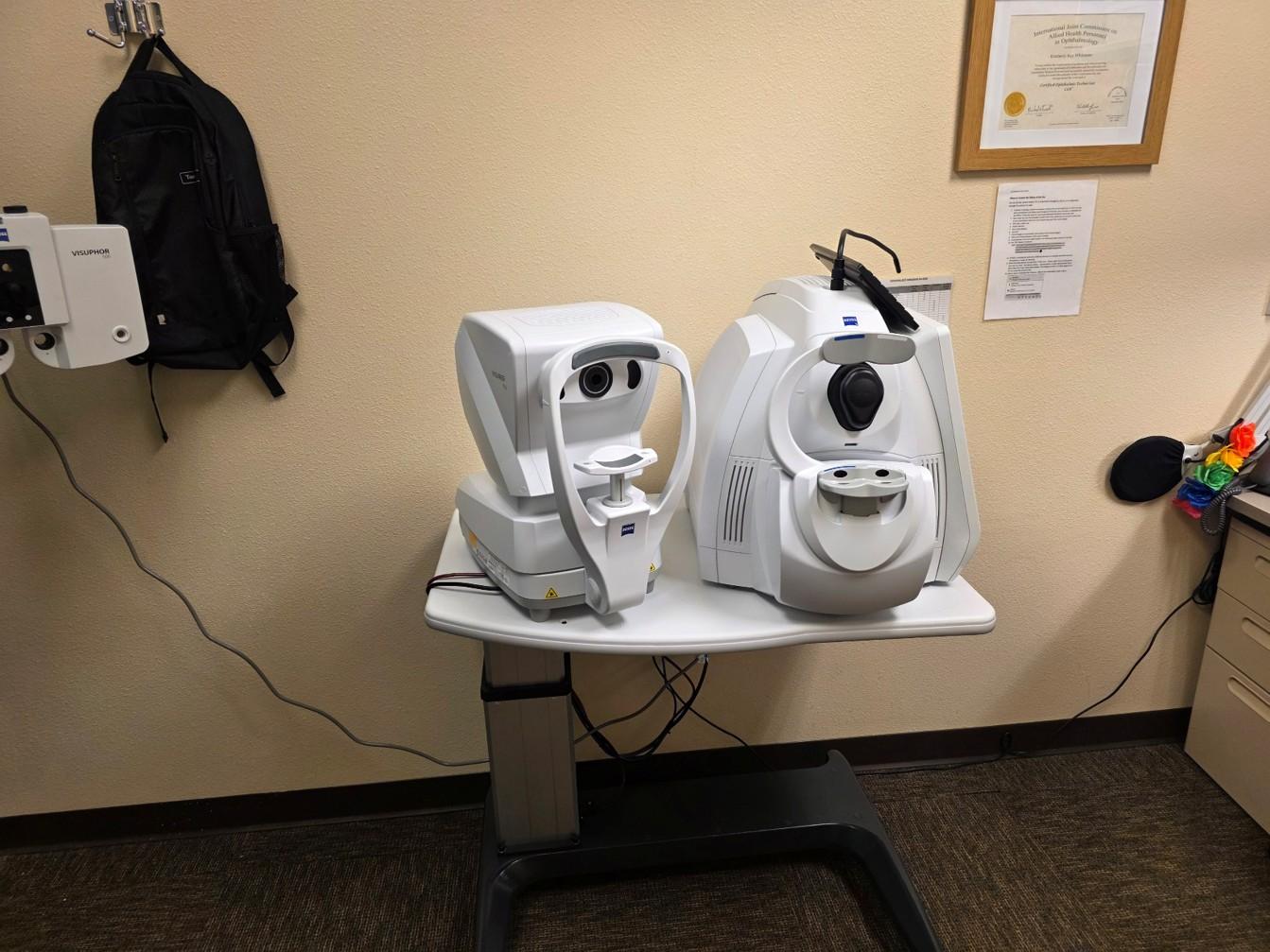
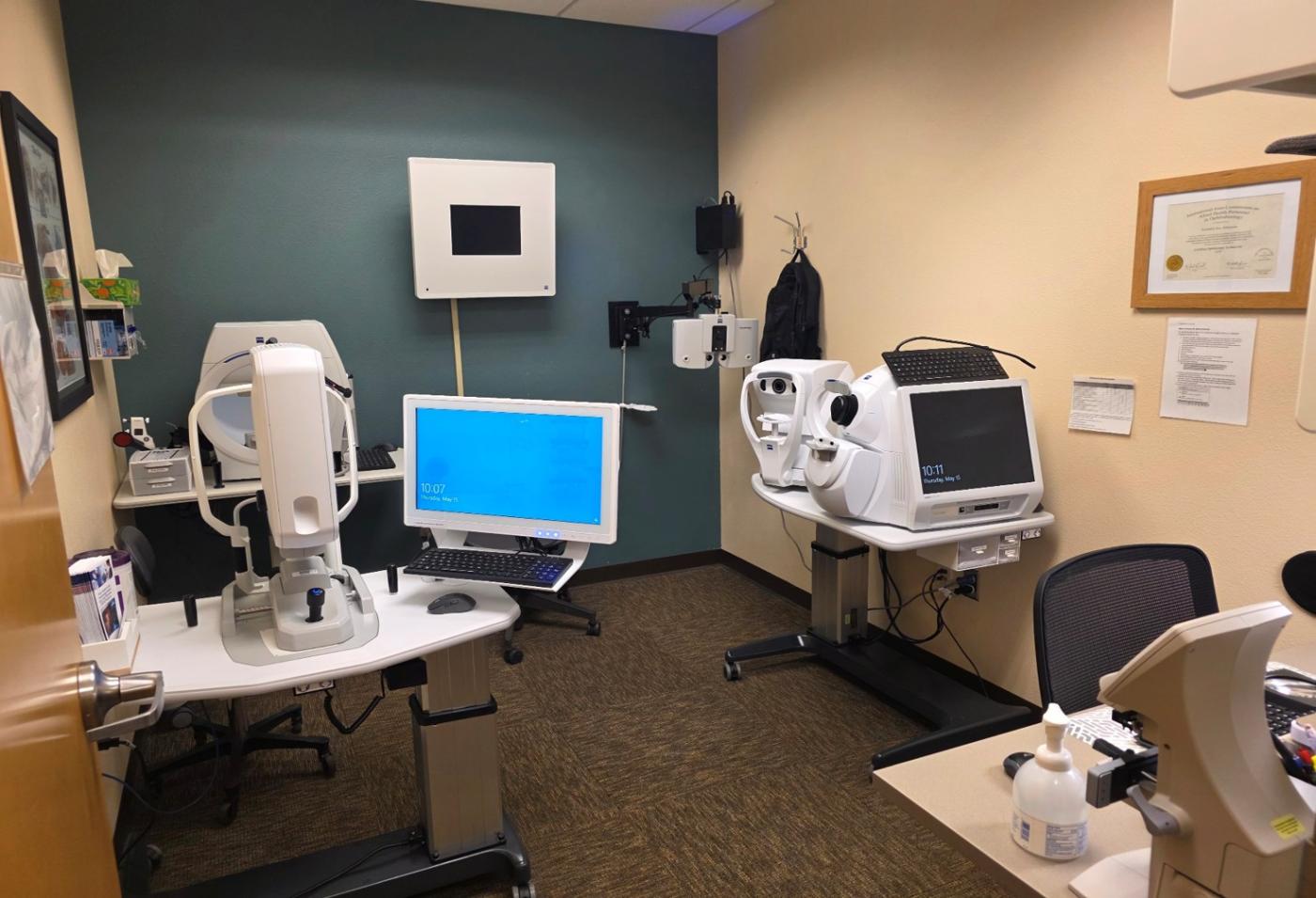
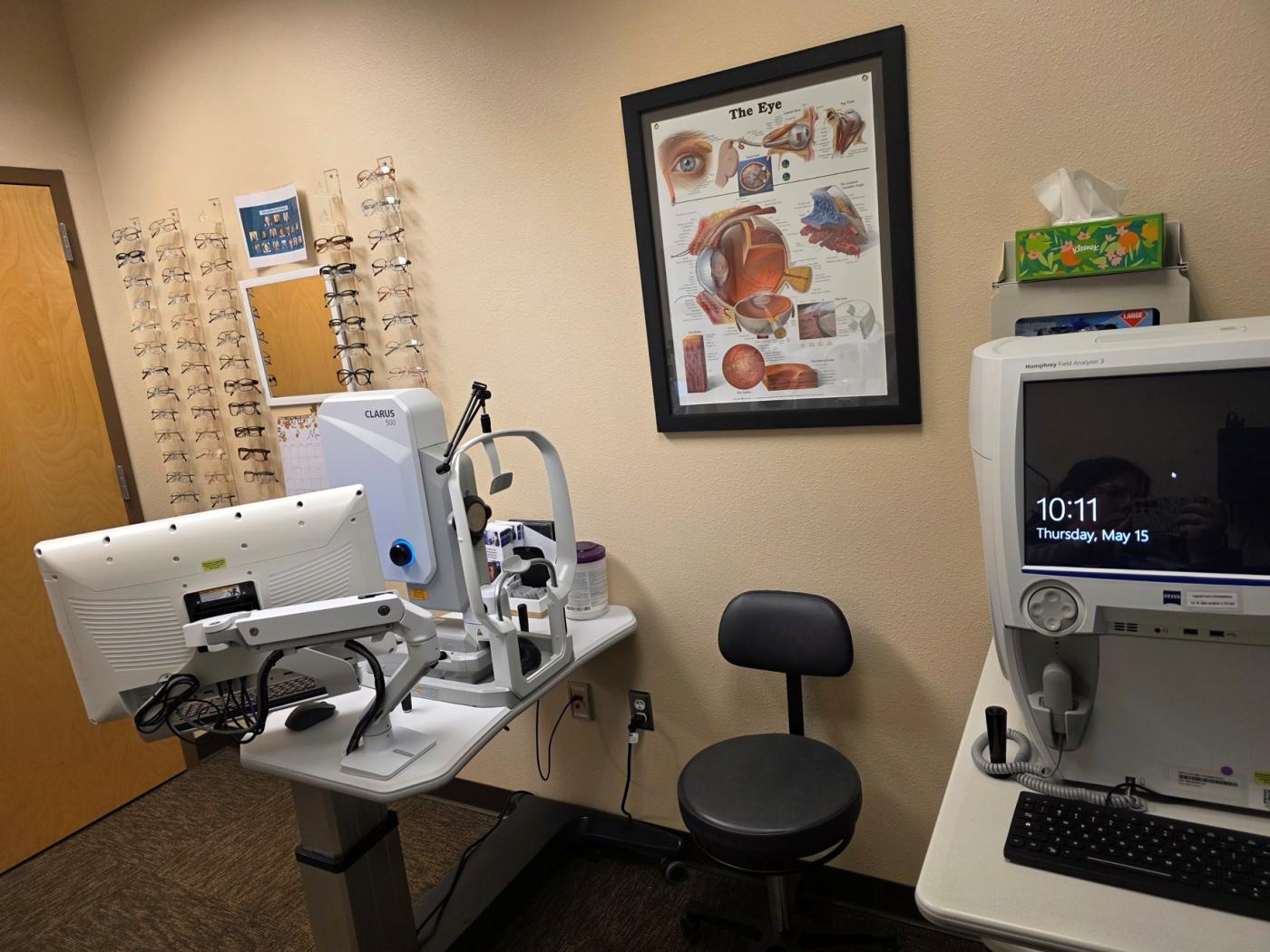
Our optometrists provide many eye-related services and treatments like: Vision services and eye exams; Treatment for diseases and injuries of the retina, cornea, and other parts of your eye; Low-vision services for conditions like macular degeneration that can’t be corrected by glasses, surgery, or medication; and Special eye exams for diabetic patients
Eye Exams

Any Veteran that is 10% or more service connected is eligible for an eye exam and glasses
- Any Veteran can receive their eye exam at the VA (May be subject to Specialty Copay).
No referral needed to utilize VA vision care
Glasses
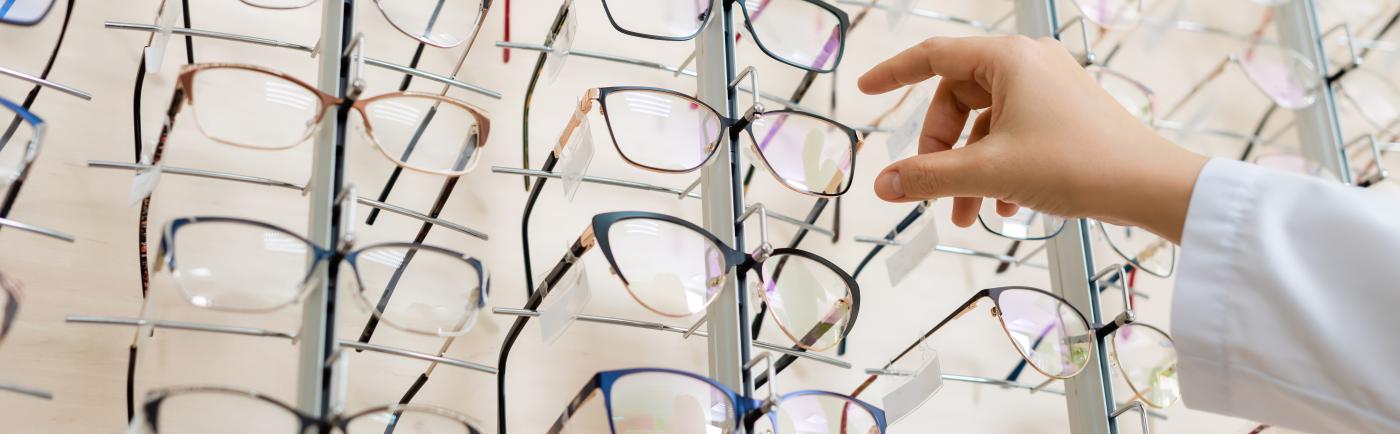
- If a Veteran is not 10% service connected but has a medical necessity, they may be eligible for glasses (eg. Glaucoma, Macular Degeneration, Diabetic Retinopathy)
- Specialty lenses are approved if an exam indicates that they are needed (eg. Progressive, Line Bifocals, and Transition Lenses)
- No Reader Glasses are Available
- There is No Copay for Glasses that are provided through Prosthetics and Sensory Aids Service (PSAS)
- Glasses are mailed to the Veteran. If fitting adjustments are needed, Veterans can stop at Fargo VHA or local eye center.
If a Veteran's glasses are damaged and cannot be repaired, replacements can be ordered. New glasses that are based on desire for cosmetic changes will not be granted.
Final glasses eligibility will be determined by the provider.
Contacts
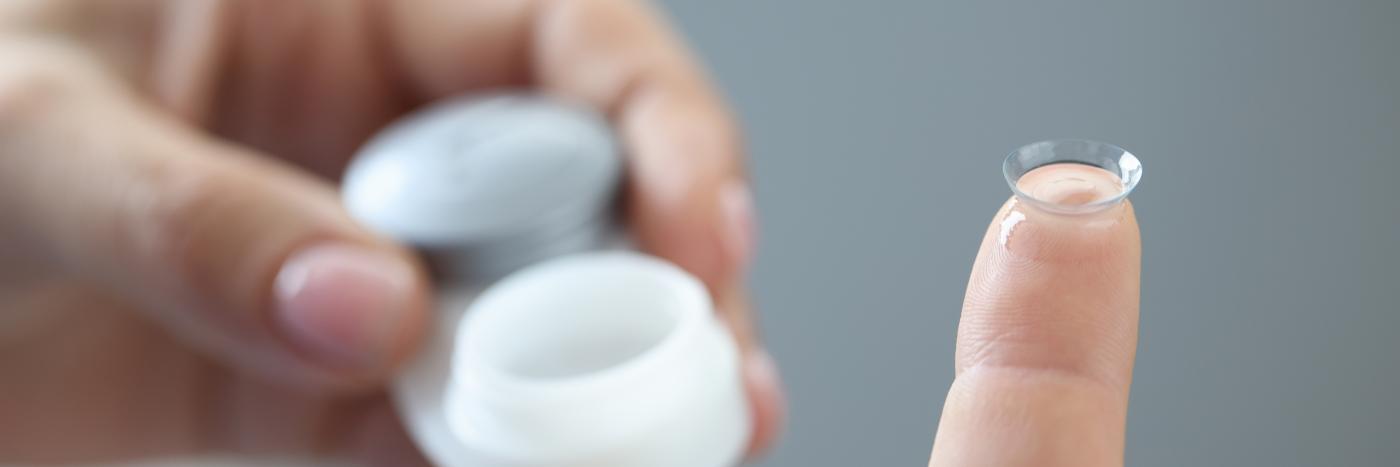
Contacts are only available to Veterans with eye conditions determined by the provider to be medically necessary over glasses.
Low Vision Visits
Low vision visits aim to optimize the use of remaining vision in Veterans with visual impairment; more detailed goals are often patient-specific, depending on their day-to-day vision demands. Criteria for visits typically include vision that cannot be corrected better than 20/40 in either eye or a significant amount of visual field loss.
Low vision visits include a thorough history of the veteran’s ocular health and any pertinent medical conditions, as well as an in-depth assessment of how the Veteran’s visual impairment is impacting daily life and what devices the veteran has already been using to assist vision outside of glasses. There is then a visual function assessment with a complex refraction. We then trial and train on low vision devices, such as magnifiers, telescopes, tints, and lighting, that can help the veteran meet their vision goals. We also discuss some non-optical visual aids and referral to the VIST coordinator as indicated. We often discuss in detail how their eye conditions specifically impact their visual functioning. We also talk about considerations/restrictions for driving with many of these veterans, as well as other safety considerations.
Formal visual field testing may also be included to determine driving eligibility or legal blindness status. Overall, these exams are highly specialized, and we normally spend an hour to an hour and a half face-to-face with the Veteran, with additional time for chart review, documentation, and ordering devices.
38 CFR 17.149 Sensori-Neural Aids
(a) Notwithstanding any other provision of this part, VA will furnish needed sensori-neural aids (i.e., eyeglasses, contact lenses, hearing aids) only to veterans otherwise receiving VA care or services and only as provided in this section.
(b) VA will furnish needed sensori-neural aids (i.e., eyeglasses, contact lenses, hearing aids) to the following veterans:
(1) Those with a compensable service-connected disability;
(2) Those who are former prisoners of war;
(3) Those awarded a Purple Heart;
(4) Those in receipt of benefits under 38 U.S.C. 1151;
(5) Those in receipt of increased pension based on the need for regular aid and attendance or by reason of being permanently housebound;
(6) Those who have a visual or hearing impairment that resulted from the existence of another medical condition for which the veteran is receiving VA care, or which resulted from treatment of that medical condition;
(7) Those with a significant functional or cognitive impairment evidenced by deficiencies in activities of daily living, but not including normally occurring visual or hearing impairments; and
(8) Those visually or hearing impaired so severely that the provision of sensori-neural aids is necessary to permit active participation in their own medical treatment.
Authority: 38 U.S.C. §501; §1707(b)
TECS-Technology Based Eye Care Services which is now VECS (Virtual Eye Care Services)- (Bismarck ONLY)
is a telehealth program that provides eyeglasses and eye health exams to rural Veterans.
***This does not replace a comprehensive in-person eye exam
Technology-Based Eye Care Services (TECS) Program
- Remote eye telehealth program that provides eyeglasses and an ocular health examination.
- TECS collects information about a patient’s eyes by performing elements of a standard eye exam
- Remote eye doctor can then interpret the information, prescribe glasses and/or medications as needed
- No Walk-In services for repairs or fittings