Opioid Overdose and Naloxone Education
Learn how to recognize and respond to opioid overdose, and discover the life-saving benefits of naloxone for Veterans. VA Northern California Health Care System provides Veterans with free naloxone rescue kits and essential resources to help protect yourself and your loved ones.
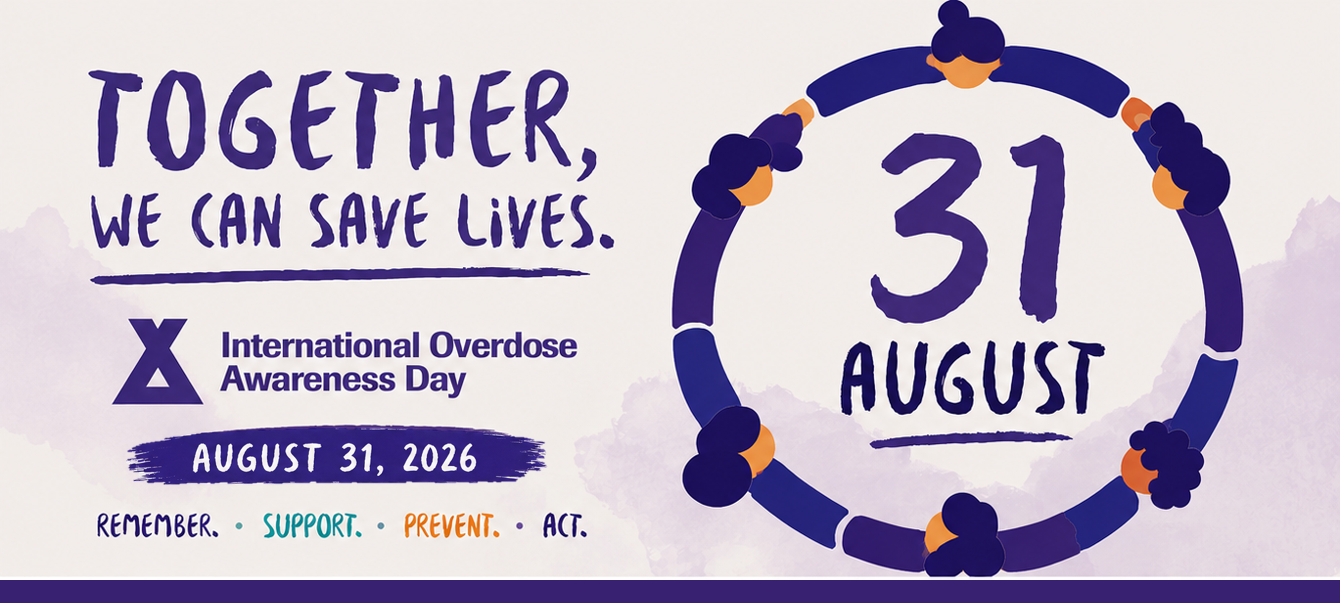
Join VA Northern California Health Care System at our Sacramento (Mather), Martinez, Chico, Redding, and Richard A. Pittman (Stockton) locations on August 31 for International Overdose Awareness Day. Veterans, families, and community members are invited to learn about overdose prevention and receive free naloxone (Narcan) kits.
Overdose can happen to anyone taking an opioid, whether it was prescribed or not.
There is no safe dose of opioids – even prescribed opioids carry some risk of overdose. Naloxone (also known as Narcan) is a medicine that can reverse the effects of an opioid overdose. Think of it like having a fire extinguisher – you hope you never have to use it, but you keep one at home in case of an emergency. Naloxone is free for Veterans who might be exposed to opioids.
YouTube Video: Stay Safe and Prepared With Naloxone From VA
What is an opioid?
Opioids are medications that can be used to treat pain, cough, or addiction. These can be prescribed, such as medications like morphine, hydrocodone, or oxycodone. Opioids can also be non-prescribed, such as heroin or illegally made fentanyl.
How do opioids cause overdose?
Opioids can slow or stop a person’s breathing. This may cause them to pass out and can also lead to death. It’s rare, but this can even happen when taking medication as prescribed.
Some risk factors for accidental opioid overdose are:
- Loss of tolerance to opioids - can happen if you miss a few days
- Mixing opioids with other depressant drugs or alcohol
- Poor or compromised physical health or sickness
- Poor or compromised lungs function
- Smoking cigarettes or cannabis
- Some other prescription medications can also increase your risk if taken with opioids
To learn more about the risks of various opioids, please review these resources:
- VA Patient Guide: My Pain Medicine
- VA Patient Guide: Do You Take Both Opioids and Benzodiazepines?
- VA Patient Guide: Xylazine
- VA Patient Guide: Staying Safe on Prescription Opioids
- CDC: Prevention Opioid Overdose
How to recognize when an opioid overdose is occurring:
- The person does not respond to verbal or physical stimulation like calling their name, shaking their shoulders, or press your knuckles firmly on the middle of their chest (called a sternal rub)
- You find the person down slumped over with no or very slow breathing
- The person may have a bluish-purplish or ashen-gray appearance of skin/lips
How to respond to an overdose:
- Call 911
- Give naloxone if available
- Do rescue maneuvers
- Monitor the person until help arrives
What is naloxone?
Naloxone (also known as Narcan) is a medication that can reverse the effects of an opioid overdose and allow someone to start breathing again. It is available as a nasal spray for easy use. If naloxone is used and the person has not used or has not taken opioids, there would be no side effects – it simply will not work. When naloxone works for an opioid overdose, it can cause opioid withdrawal effects (increased pain, anxiety, nausea/vomiting), however these are worth it to save a life.
How to use Naloxone nasal spray kit:
- Remove the Narcan spray from box
- If possible, lay person on their back to receive the Narcan dose
- Hold Narcan nasal spray with thumb on the bottom of the plunger and your fist/other fingers to support the nozzle
- Tilt the person's head back and support the neck
- Gently insert the tip of the nozzle into one nostril
- Press the plunger firmly to give the dose of Narcan
- Lay person on their side (rescue position)
- Administer second dose in 2-3 minutes if no initial response
- Monitor until the EMS arrives
To learn more about how to use naloxone in case of an overdose, please review these resources:
Naloxone is free for Veterans who might be exposed to opioids.
Just like you change the batteries in your smoke detector to make sure the detector works, VA wants to replace your naloxone rescue kit at least once a year (or sooner, if needed), to make sure it works if you have to use it.
To learn more or to request a refill of naloxone:
- Visit the VA pharmacy
- Call the VA pharmacy at 1-
then press 1 - Contact us by MyHealtheVet by messaging the triage group called Opioid Overdose and Naloxone Education - NCHCS
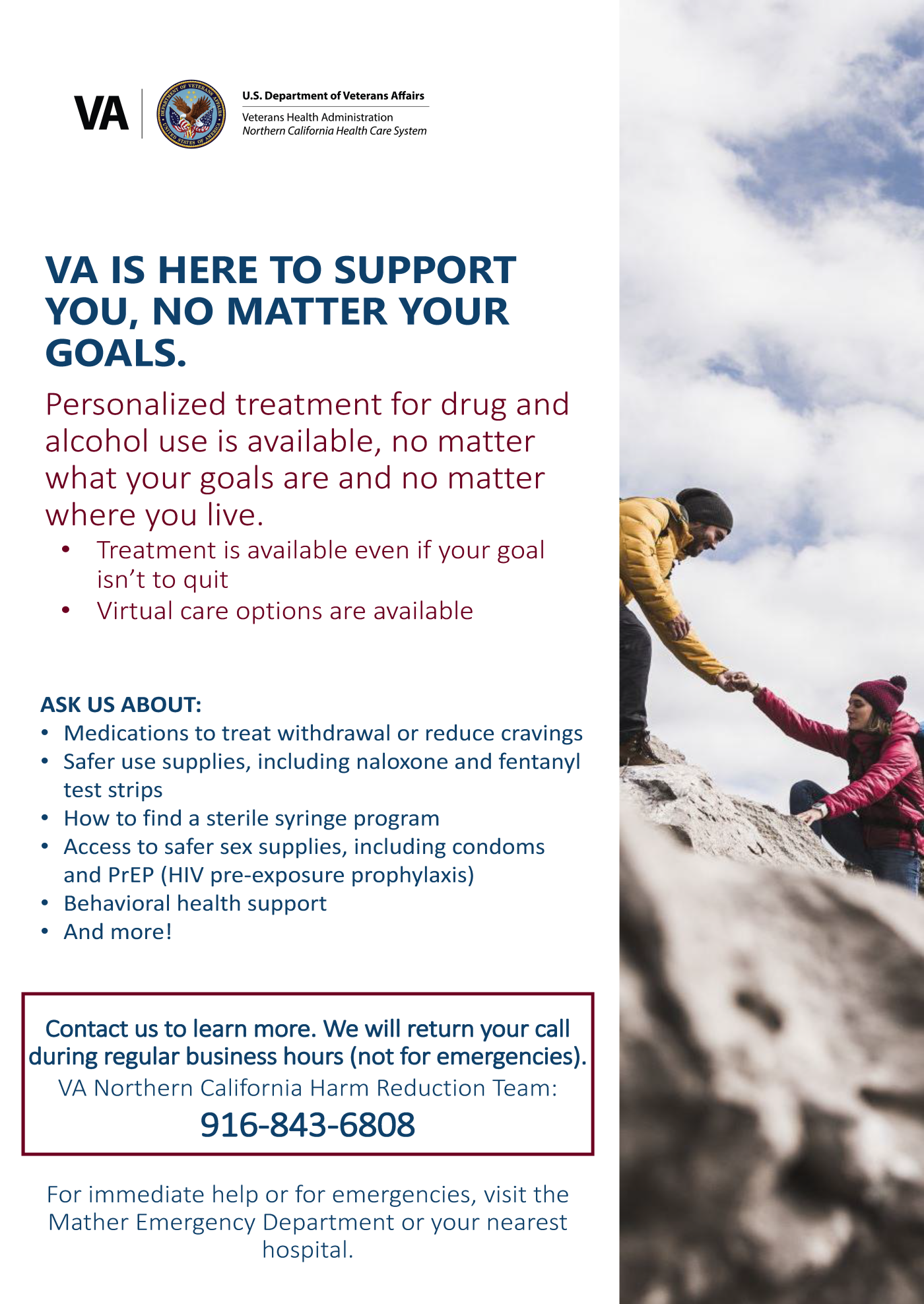
Fentanyl Test Strips are also available.
You may have heard about fentanyl — it's a prescription pain medication, but it's also being made illegally and mixed into street drugs like heroin, cocaine, and methamphetamines. What makes it especially dangerous is that you can't see it, smell it, or taste it. And because it's extremely potent — much stronger than heroin or morphine — even a tiny amount can be deadly.
The scary part is that many people don't know fentanyl is in the drugs they're using. That's where fentanyl test strips come in. They're a simple, free tool that can tell you whether fentanyl is present in your drugs before you use them. They can't tell you how much fentanyl is there, but knowing it's present can help you make a safer choice.
Fentanyl test strips are available for free to Veterans in Northern California.
To learn more or to request fentanyl test strips:
- Call the VA Northern California Health Care System Harm Reduction Team at
- Visit the VA pharmacy or call at 1-
then press 1 - Contact us by MyHealtheVet by messaging the triage group called Opioid Overdose and Naloxone Education - NCHCS
More information can also be found in these resources:
- VA Patient Guide: Fentanyl and Carfentanil
- How to Test Your Drugs Using Fentanyl Test Strips
- CDC Fentanyl Facts