


Expanding Access: Dr. Nicole Khaldy’s Innovative Approach to Rural Veteran Pelvic Health Rehabilitation
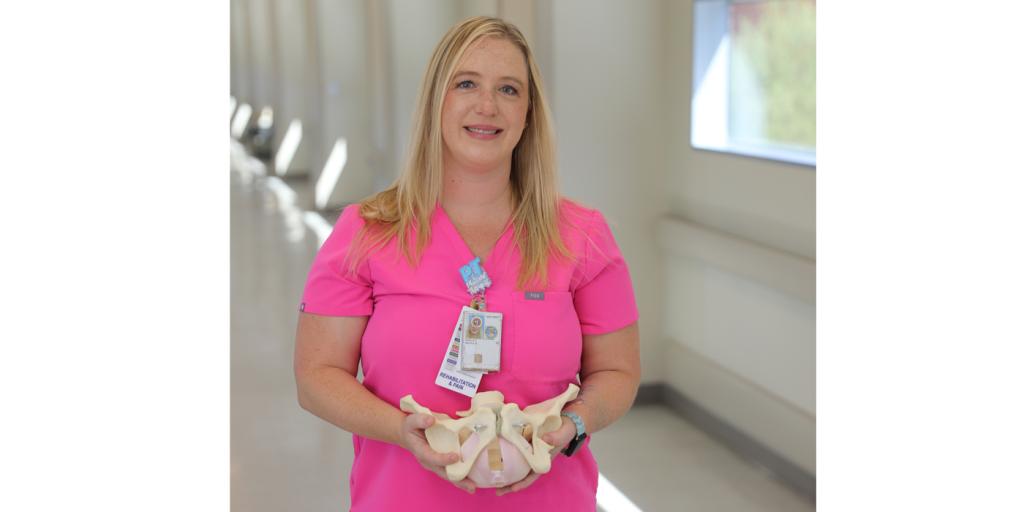
By John Archiquette, Public Affairs Specialist
VASNHS is proud to spotlight the groundbreaking work of Dr. Nicole Khaldy, whose recent publication and national presentations are advancing care for rural Veterans.
VASNHS is proud to spotlight the groundbreaking work of Dr. Nicole Khaldy, whose recent publication and national presentations are advancing care for rural Veterans. The paper, “Enhancing rural Veteran access to specialty pelvic health rehabilitation through mentorship and a novel model of care coordination,” addresses a critical gap in care for Veterans living in rural communities, where access to specialized pelvic health services has historically been limited
“For me, this work is ultimately about making sure Veterans in rural communities have access to the specialized care they need,” said Dr. Khaldy. “It has been incredibly rewarding to see how collaboration, mentorship, and innovation can help us reach more Veterans and strengthen pelvic health rehabilitation across VA.”
Why Pelvic Health Rehabilitation Matters
Pelvic health rehabilitation (PHR) treats conditions such as pelvic pain, incontinence, and sexual dysfunction. Few clinicians are trained to provide PHR in rural areas. Recognizing this need, Dr. Khaldy and colleagues developed two innovative projects: a mentorship initiative to expand the PHR workforce and a virtual Care Navigator model to directly connect Veterans with specialized care
Mentorship and Care Coordination: A New Model
The mentorship project prioritized training physical therapists at rural VA sites, building local expertise and capacity. Meanwhile, the Care Navigator project piloted at two rural locations provided Veterans with virtual access to PHR specialists, ensuring timely and coordinated care. Between October 2020 and September 2025, the project trained 38 mentees, who collectively served nearly 23,000 Veterans, including almost 10,000 from rural communities. At the pilot sites, 123 Veterans received care navigation, with most reporting symptom improvement and high satisfaction
Key Outcomes and Lessons Learned
- Workforce Expansion: The mentorship project increased the number of clinicians able to deliver pelvic health rehabilitation without requiring new hires.
- Improved Access: Rural Veterans benefited from reduced wait times and more direct connections to specialty care.
- Patient Satisfaction: Qualitative interviews and outcome measures showed high satisfaction and meaningful symptom improvement among participants.
- Efficiency: The average time from referral to contact with a Care Navigator was just over three weeks, streamlining the care process
National Recognition and Next Steps
This work has been featured at national conferences, including the 2026 ACRM Annual Conference, where Dr. Khaldy and collaborators shared their experiences, outcomes, and strategies for scaling the model across the VHA. Their efforts are helping to shape future initiatives aimed at expanding equitable access to specialty rehabilitation services for underserved Veteran populations
Commitment to Equity and Innovation
As a board-certified women’s health physical therapist, Dr. Khaldy is dedicated to advancing evidence-based pelvic health services and integrating telehealth delivery models to reach Veterans wherever they live. Her leadership in mentorship, care navigation, and project development is making a tangible difference for rural Veterans and their families.
Funding for this work:
This work was funded by the Department of Veterans Affairs, Veterans Health Administration, Office of Rural Health, NOMAD # PROJFY-011449. The contents do not represent the views of Department of Veterans Affairs or the United States government.