United States Department of Veterans Affairs

STATEMENT OF
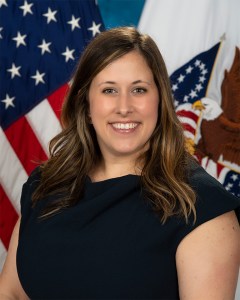
KIM GRAVES
SPECIAL ASSISTANT TO THE UNDER SECRETARY FOR BENEFITS
VETERANS BENEFITS ADMINISTRATION
DEPARTMENT OF VETERANS AFFAIRS
BEFORE THE
SENATE COMMITTEE ON VETERANS' AFFAIRS
CURRENT STATE OF AFFAIRS FOR INFORMATION TECHNOLOGY
WITHIN VA

September 19, 2007

Chairman Akaka and members of the Committee, it is a privilege to be here today to talk about the current state of information technology in the Veterans Benefits Administration ( VBA). My testimony will focus on two major topics: the impact of the reorganization of information technology ( IT) management on VBA activities, and the migration of VBA's legacy IT systems to the VETSNET platform.

IT Reorganization

I am pleased to report that, from VBA's perspective, the reorganization of IT took place without major disruptions. While no reorganization of this magnitude can occur without some challenges, we believe that it was a smooth transition overall.

One of the main reasons why the reorganization went smoothly for us is that VBA's IT structure was already highly centralized, both in applications development and in the operations of our national benefits delivery systems. We also had in place a regionalized Network Support Center structure for our field organization, with established policies and procedures governing our local IT operations.

Equally as significant, the Under Secretary for Benefits, Admiral Daniel L. Cooper, had instituted a formal IT application change control and deployment process immediately on his appointment as Under Secretary. The changes he made were based on recommendations of the Claims Processing Task Force, which he chaired. He also established a uniform IT structure and standard application configurations that were made mandatory for use by all regional offices. These actions provided the essential framework for the transition to a fully centralized environment and served to minimize many of the problems that would otherwise have been anticipated in a reorganization of this magnitude.

Similarly, because of the way VBA had structured its IT organization, the transfer process caused much less anxiety for the individuals involved and minimized disruption to our overall operations.

However, as with any reorganization, this transition has not been without some challenges for us. For example, some of our regional offices have experienced problems and delays with the delivery and installation of new equipment. Also, we face a number of challenges due to issues such as bandwidth to handle the volume of encrypted communications we now require. Our concerns in these areas are being addressed by the IT organization.

During this transition year, we have actively participated in the development of the Department's IT governance process. The governance structure being implemented will ensure that the Administrations and Staff Offices have a forum for communicating their business needs and that all decisions related to our IT requirements and systems are mission-focused. Already we have seen that when we have well-developed business plans that are consistent with Department-wide IT objectives, we are well supported by the new IT organization. We are also most pleased with changes such as the decision to meet our new equipment needs through leases, which will allow VBA to upgrade equipment more frequently and keep up with advancements in technology. We believe that as our governance and business processes mature and communications channels are more fully developed, greater improvements will result.

Migration of Legacy Systems

VBA has made significant progress in the migration of our Compensation and Pension claims processing activities from the legacy Benefits Delivery Network system to a modernized corporate platform. VETSNET is a suite of applications which not only provide the benefit payment and accounting functionalities of the legacy Benefits Delivery Network, but also provide enhanced information and workflow management across the compensation and pension claims process.

In 2005, Under Secretary Cooper requested an independent technical assessment of the VETSNET project to identify areas of concern which were inhibiting our ability to complete the final two components of the application suite: Awards and the Finance and Accounting System. These two components provide benefit award generation, as well as the payment and accounting interfaces.

As a result of the assessment, the Under Secretary engaged MITRE Corporation to assist in the development and implementation of mitigation strategies. In conjunction with this effort, the Under Secretary also appointed me to serve as his Special Assistant, with purview over all resources required to bring the project to fruition. At that time, the aligned resources included personnel from the Compensation and Pension business line, our Office of Resource Management, and VBA IT personnel. Although the organizational lines have changed since the IT consolidation, this interdisciplinary effort continues today, ensuring a business-focused approach to this complex systems development project.

This approach has resulted in significant progress over the past 18 months. At the end of September 2006, a total of 10,385 veterans were receiving their monthly benefit payments via VETSNET. Today, more than 200,000 veterans are on the VETSNET payment rolls. During fiscal year 2006, five percent of VBA's rating-related claims for veterans new to the VA's compensation rolls were processed entirely through the VETSNET suite. In August 2007, the figure for veterans new to the rolls was 97 percent. More than three quarters of a billion dollars in compensation benefit payments have been processed through the VETSNET system this fiscal year.

However, our most significant gains in migrating compensation and pension claims processing from the Benefits Delivery Network ( BDN) will be the conversion of the approximately 3.5 million active payment records from BDN to VETSNET. That process is underway and will be substantially complete by June 2008.The final stages of this conversion effort will be finished by June 2009. At that time, the entirety of compensation and pension claims processing activities will be off the legacy platform.

Other Initiatives

VBA's Vocational Rehabilitation and Employment ( VR&E) Program and Education Program benefit payment applications are also resident on the legacy BDN. The C-WINRS II project (which provides enhanced support for the VR&E program) and The Education Expert System project are both slated to transfer to the corporate platform. The award and financial components of VETSNET are central to these development efforts. By reusing these common services across the business lines, we will experience greater consistency across our business systems and improved efficiencies in application development and maintenance.

We are creating a new operating element within the VBA Headquarters structure to be the focal point for development of business requirements and to interface with the VA Office of Information and Technology. We believe this alignment will ensure that VBA business requirements are clearly documented and communicated to our IT partners, and that systems development efforts have an appropriate business focus.

To effectively use the available technology, sufficient time and attention must be devoted to documenting and communicating business requirements. As noted previously, VBA will use the knowledge gained from developing VETSNET in all future systems development efforts, as we maximize the integration of technology into the claims process.

The claims development and rating decision support components of VETSNET have been in full production mode in all of our regional offices for a number of years. Further efficiencies are being seen as we aggressively strive toward full implementation of the final components of the VETSNET system.

Other gains will be realized by working in a contemporary computing infrastructure. This allows us to readily make software modifications to support improved work processes, legislative mandates, or security enhancements. These types of changes are simply not possible in the legacy BDN. The modernized corporate infrastructure will also make it possible to further incorporate and enhance decision-support and "expert-system" applications.

We are also making strides in the use of electronic data and records in place of paper records in the claims process. We are working to integrate "paperless" processing into our data and information systems and processing procedures. We are using imaging technology to support paperless processing in all of our Education and Insurance benefit programs. We are also incorporating imaging technology and electronic records in our pension program processing.

We are now conducting a pilot program to incorporate imaging technology into disability compensation processing as well. The pilot uses claims from recently separated veterans filed through our Benefits Delivery at Discharge Program. We receive the veterans' service medical records, create images of these records, and maintain them as part of the electronic claims folders for each claim filed under this pilot program.

We believe the pilot will successfully demonstrate the feasibility of this technology in the disability compensation program for newly separated servicemembers. However, because of the magnitude of the paper records we store, the extent to which we can "paperlessly" process claims from veterans of previous periods of service has yet to be determined.

Expanded use of business-rules engines and related types of application tools offers promise for further improving our claims processing. We recently solicited and received information from a variety of vendors on tools which may have potential to assist us in more efficiently processing certain types of claims. Together with the Office of Information and Technology, we are currently evaluating this vendor information. The Supplemental Appropriation passed by Congress earlier this year will facilitate our implementation of these types of tools to improve the claims process.

Mr. Chairman, this concludes my statement. I will be pleased to answer any questions that you or other members of the Committee might have.