
Multiple Sclerosis Centers of Excellence





Bladder Problems and Multiple Sclerosis
Changes in bladder function are one of the most common symptoms of multiple sclerosis (MS). Between 50 and 90 percent of people with MS will have bladder problems at some point, and these problems often show up early in the disease. Understanding why they happen and what can be done about them can help you take control of this part of your health.
How the Bladder Normally Works
For normal urination to happen, the bladder and the urethra (the tube that carries urine out of the body) must work together smoothly. When the bladder fills and you feel the urge to go, the sphincters - the valves that hold urine in - relax and open, and the bladder muscle contracts to push urine out. When the bladder is empty, it relaxes, and the sphincters close again.
There are actually two sphincters involved. The internal urethral sphincter, located at the bladder neck, and the external urethral sphincter, a muscle valve farther along the urethra. Both need to open in the right order for normal urination, and both need to close properly afterward to prevent leaking.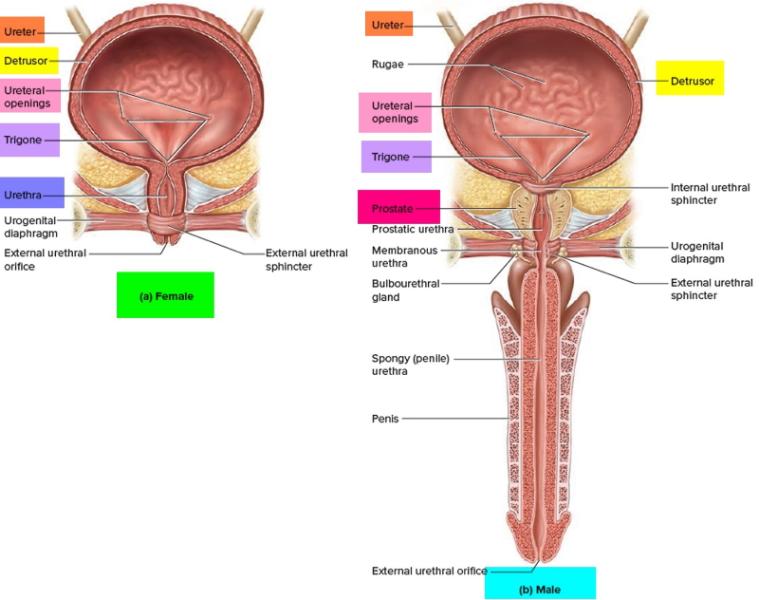
MS can disrupt this process. The disease damages the nerves that carry signals between the brain, spinal cord, and bladder. When those signals are interrupted, the bladder and the sphincter muscles may stop working together the way they should. The bladder might contract when it should not, or the sphincters might not open when they should. This can lead to a range of urinary symptoms.
Common Symptoms
Bladder problems in MS can show up in many ways. You may experience:
- Urgency - a sudden, strong need to urinate, sometimes barely making it to the bathroom in time
- Frequency - feeling the need to urinate more often than every two to three hours
- Hesitancy - difficulty starting the flow of urine
- Incontinence - leaking or losing control of urine
- Nocturia - being awakened from sleep by the need to urinate
- Double voiding - needing to go again just a few minutes after finishing
- Feeling of incomplete emptying - a sense that the bladder is not fully empty after urinating
- Urinary tract infections (UTIs) - which are more common when the bladder does not drain well
Types of Bladder Problems
Bladder problems in MS generally fall into three categories. Each type is treated differently, so working with your health care provider to identify which type you have is an important first step.
Overactive Bladder (Storage Problem)
This is the most common type, affecting about 60 to 66 percent of people with MS. With an overactive bladder, abnormal nerve signals cause the bladder to contract or spasm before it is full. Instead of waiting until the bladder holds its normal amount of 350 to 400 milliliters, the urge to go may hit when the bladder has only 150 to 200 milliliters — or even less. This leads to urgency, frequency, and urgency incontinence, which is leaking urine because you cannot get to the bathroom in time.
Treatments for an overactive bladder include:
- Reducing bladder irritants such as caffeine, alcohol, artificial sweeteners, tobacco, and spicy foods
- Pelvic floor muscle exercises, which strengthen the muscles that help control urination (especially helpful for women)
- Timed voiding - learning to manage when and where you urinate, rather than waiting for urgency to hit
- Managing fluid intake - adjusting when and how much you drink so the need to urinate does not come at difficult times, while still staying well hydrated
- Clothing choices - wearing garments that are easy to open or remove quickly
- External urinary drainage devices or protective pads for added security
- Medications that relax the bladder, such as oxybutynin and tolterodine, or antispasmodic medications such as baclofen
- Botox injections into the bladder wall for cases that do not respond well to medication
- Reducing excess weight, which can put added pressure on the bladder
- Good bowel care, since constipation can increase pressure on the bladder and make symptoms worse
Underactive Bladder (Emptying Problem)
About 20 percent of people with MS have an underactive bladder, also called a hypotonic or hypoactive bladder. In this case, the bladder does not squeeze strongly enough to push urine out. The bladder may overfill and stretch, which can damage the sensors that normally trigger the urge to urinate. Sometimes the urge does not come until after a very large amount of urine has collected - and sometimes it does not come at all.
This type is the most difficult to treat because there are currently no treatments that make the bladder muscle itself stronger. When the bladder cannot empty well, urine stays behind after each trip to the bathroom, raising the risk of urinary tract infections. In serious cases, urine can back up into the kidneys and cause kidney damage or infection.
Treatments include:
- Abdominal tapping - gently tapping on your lower belly to trigger the urination reflex
- Double voiding - urinating, waiting a moment, and then trying again
- Drinking enough fluids to help keep the urinary tract flushed
- Intermittent catheterization - using a thin, flexible tube to drain the bladder on a regular schedule
- Indwelling catheters (such as a Foley or suprapubic catheter) when intermittent catheterization is not possible
- Medications such as bethanechol, which can help stimulate the bladder to contract
- Prostate management for men, since prostate swelling can make emptying more difficult. Prostate or anti-hypertension medications may help.
Combined Dysfunction
Some people have a mix of both overactive and underactive problems. The bladder may spasm and try to push urine out, but the sphincter does not relax and open at the right time. This condition is called detrusor-sphincter dyssynergia (DESD), and it occurs in about 47 percent of people with MS. DESD can cause hesitancy, a weak urine stream, or incomplete emptying. Because the bladder is working against a closed valve, each of these issues - the bladder spasms and the sphincter tightness - often needs to be treated separately to restore good urinary function.
Finding the right balance of treatments for combined dysfunction can take some trial and error. However, most people are able to find a combination of strategies that works well for them by working closely with their health care provider.
Bladder Problems and Fall Risk
You may not think of bladder problems and falling as related, but research has found an important connection. A study of people with MS found that those who had both urinary urgency and incontinence had nearly 60 times greater odds of falling multiple times over a three-month period compared to those without these bladder symptoms. Interestingly, people who had urgency or frequency alone, without incontinence, were not at increased risk for repeated falls.
Why might bladder symptoms lead to falls? People who experience sudden urgency with incontinence may rush to the bathroom without paying full attention to their safety while walking or transferring. It is also possible that some people avoid drinking fluids to prevent accidents, which can lead to dehydration. Dehydration can cause dizziness and unsteadiness, further increasing the chance of a fall.
We already know that more than 50 percent of people with MS fall at least once in a three- to six-month period, and about 30 percent fall two or more times. If you have bladder problems and also experience frequent falls or near-falls, be sure to tell your health care provider about both issues. Treating your bladder symptoms may not only improve your comfort - it may also help reduce your risk of falling.
When to Talk to Your Provider
If you are experiencing any bladder changes, do not wait to bring them up with your VA health care provider. Bladder problems are very treatable, and there are now many options available. These range from pelvic floor physical therapy and lifestyle changes to medications, nerve stimulation, Botox, and catheterization. Your provider can evaluate your symptoms, determine which type of bladder problem you have, and work with you to build a treatment plan that fits your needs.
With advances in our understanding of how MS affects the urinary tract, most people with MS-related bladder problems can find effective treatment and improve their daily quality of life.
Based on articles by Michelle Cameron, MD, PT, MCR and Nina Davis, MD, FACS.